
- Home
- Machine Vision
Custom Machine Vision Cable Manufactuer
Build stable, high-speed camera connections with standard and custom machine vision cables engineered for industrial cameras, automation systems, robotic inspection, 3D imaging, semiconductor equipment, and high-precision visual inspection platforms.
From Camera Link, CoaXPress, USB3 Vision, GigE Vision, I/O trigger cables to custom vision harnesses, Koincable helps you match the right cable structure, connector, shielding, pinout, length, and test requirement for your machine vision system.
General Improvements by Standard Machine Vision cables
Tested analogue and digital cables, plug-in connectors for machine vision, custom-made solutions produced in our own factory.
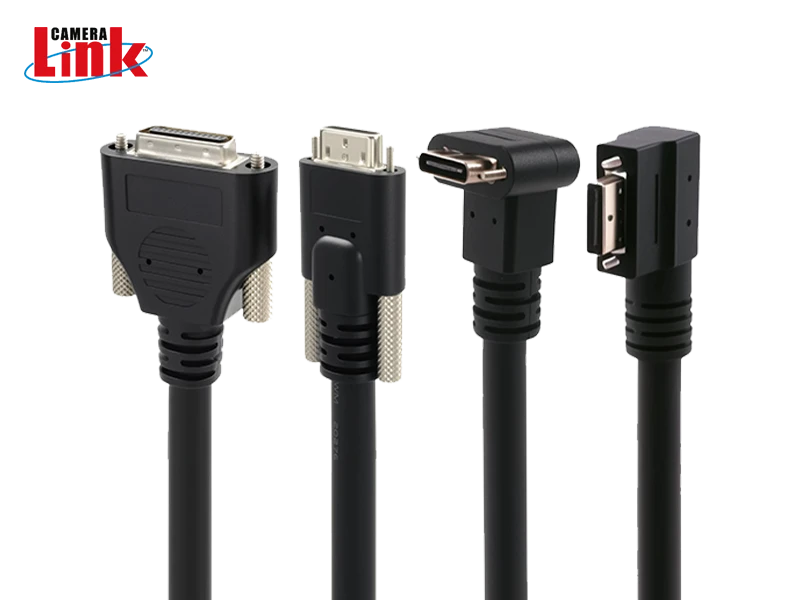
Camera Link Cable
- Support Camera Link Base, Medium, Full, and Deca configurations.
- Match MDR 26, SDR 26, and Mini Camera Link connector options.
- Maintain stable signal transmission for industrial camera-to-frame-grabber systems.
- Reduce loosening risk with locking metal connector designs.
- Support shielded twisted-pair structures for better noise control.
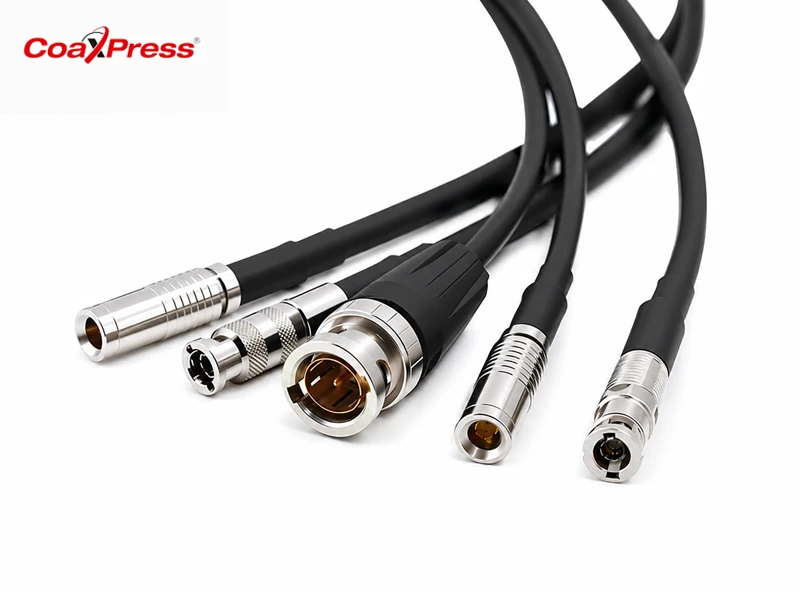
CoaXPress / CXP Cables
- Support CXP-3, CXP-6, and CXP-12 application requirements.
- Transmit high-bandwidth image data through 75Ω coaxial cable structures.
- Support Power-over-CXP for simplified camera cabling.
- Improve reliability in high-speed inspection and data-heavy imaging systems.
- Match DIN 1.0/2.3, BNC, and Micro-BNC connector formats.
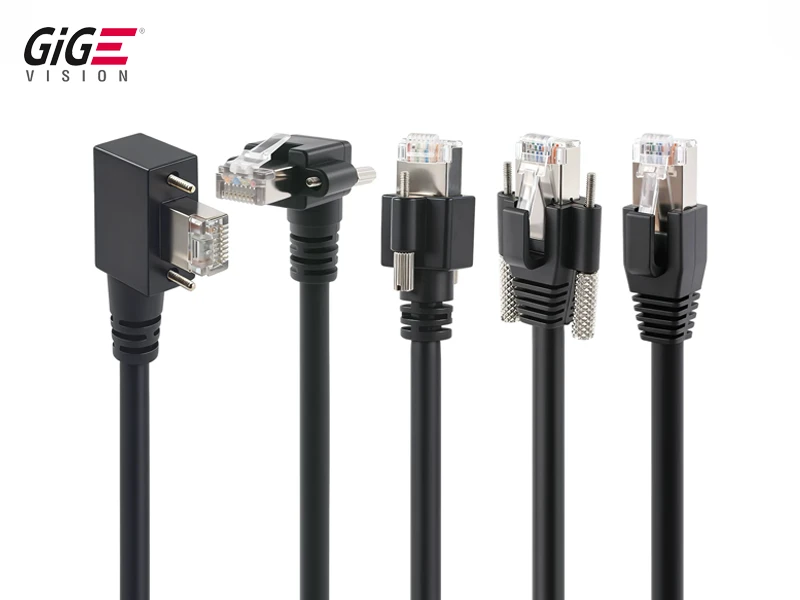
GigE & 10GigE Vision Cables
- Support GigE Vision and 10GigE Vision industrial camera systems.
- Use Cat6a / Cat7 shielded cable structures for stable transmission.
- Support RJ45 and M12-X connector configurations.
- Simplify installation with PoE / PoE+ compatible cable options.
- Improve durability for factory automation and inspection equipment.
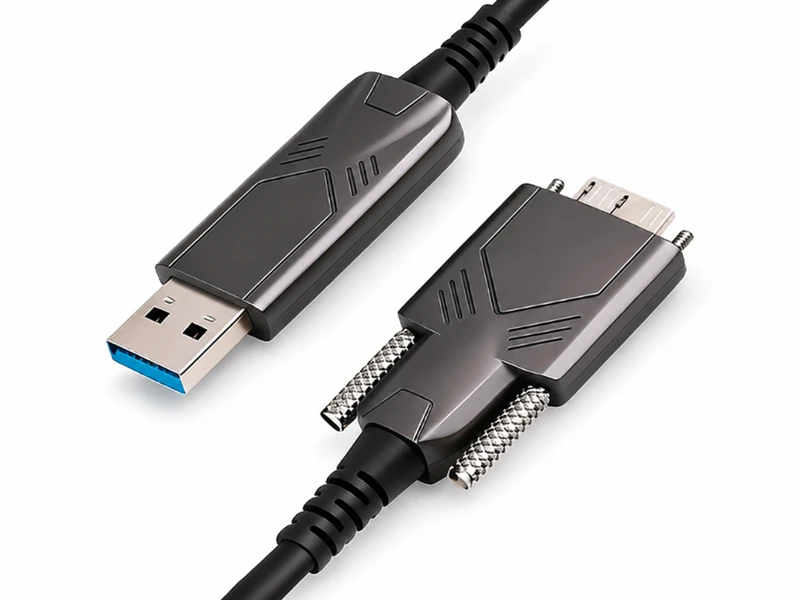
USB3 Vision Cables
- Support USB3 Vision camera applications with 5 Gbps transmission requirements.
- Choose copper cable for short-distance stable connection.
- Use AOC fiber options for longer-distance image transmission.
- Secure camera connections with locking Type A, Type B, or Micro-B connectors.
- Reduce EMI risk with industrial shielding and connector housing design.
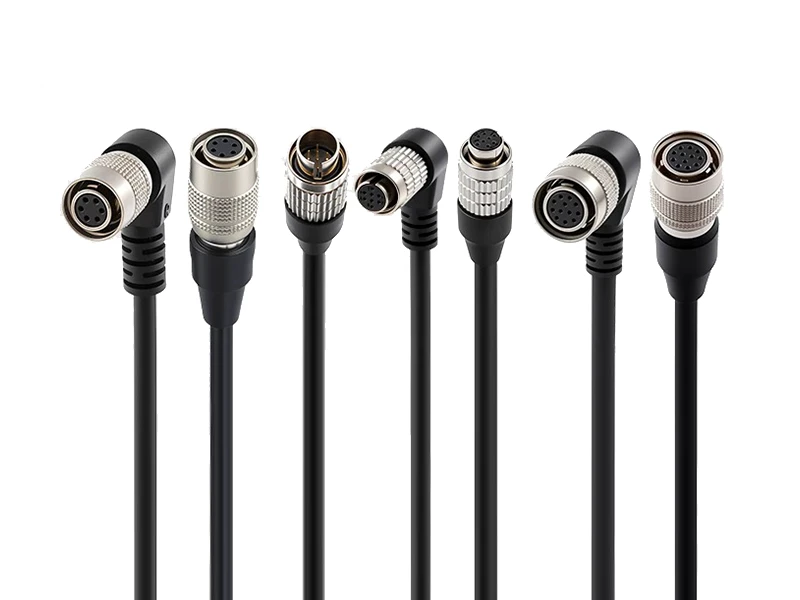
I/O & Trigger / Power Cables
- Connect trigger signals, control lines, and camera power in one cable plan.
- Reduce signal interference with separated power and signal routing.
- Support TTL, RS-422, and other common trigger signal requirements.
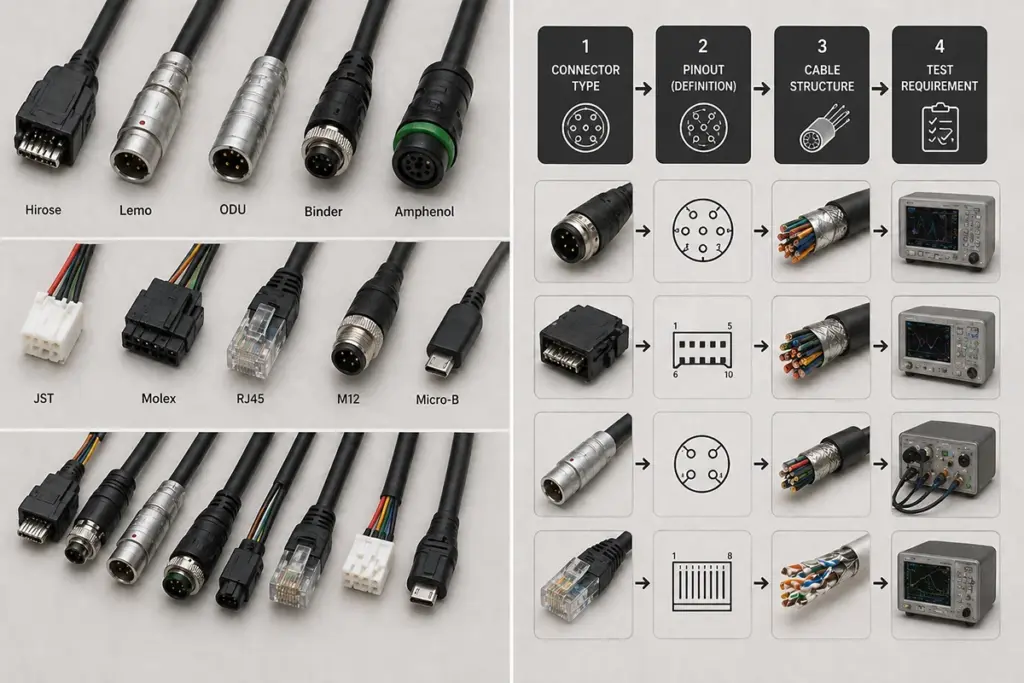
- Match Hirose, Molex, Binder, JST, and other industrial connector options.
- Improve system timing stability in multi-camera inspection setups.
Precise Enhancement by Customized Cable Solutions
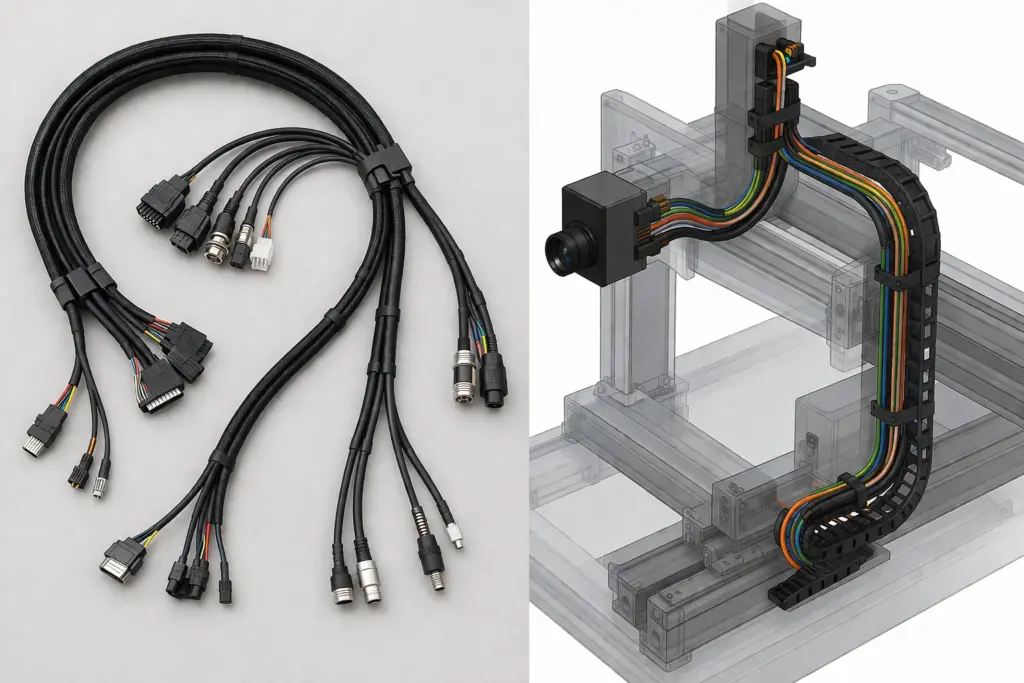
Custom Machine Vision Harness
For more complex systems needing multiple signal and power lines, we can design and assemble wire harnesses that simplify installation, reduce clutter, and protect cables.
- Reduce internal wiring. Combine data, power, and trigger lines in one harness.
- Fit tight machine spaces. Customize length, branches, and routing direction.
- Match your circuit design. Define pinout, wire assignment, and signal layout.
- Speed up final assembly. Use ready-to-install harness solutions.
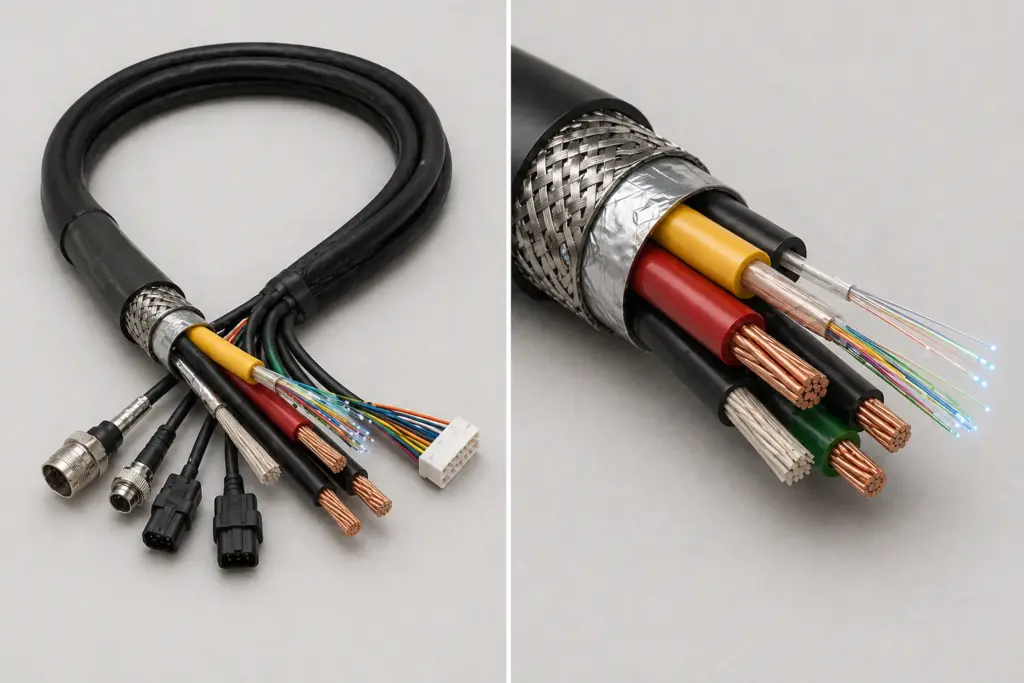
Hybrid Fiber-Copper Cable Assemblies
- Extend transmission range. Use fiber for long-distance image data.
- Lower EMI risk. Keep high-speed signals stable in noisy environments.
- Integrate power and control. Combine fiber and copper in one cable.
- Reduce moving load. Use lighter routing for robots and large systems.
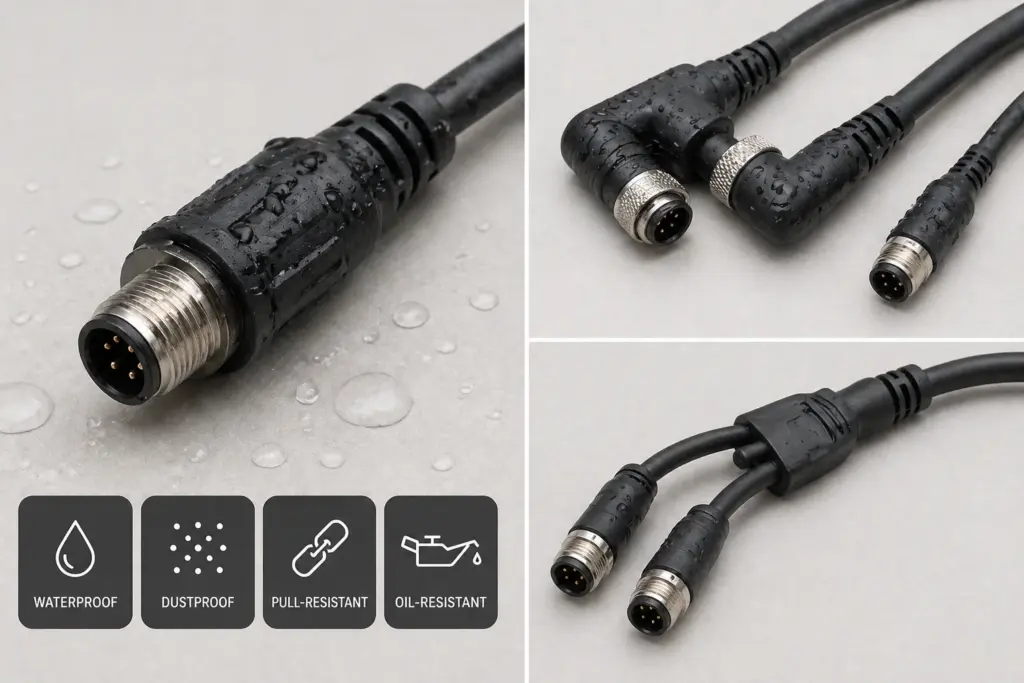
Overmolded Industrial Cable Assemblies
- Protect connector joints. Add molded strain relief and sealed structure.
- Increase field durability. Resist dust, moisture, oil, vibration, and pull force.
- Improve sealing performance. Use IP-rated connector designs.
- Fit your equipment layout. Choose straight, angled, or multi-branch forms.
Custom Connector & Pin Assignment
Custom connector and pin assignment services for OEM, ODM, automation, medical, and special machine systems.
- Match your device interface. Connect board, camera, and controller correctly.
- Define your own pinout. Set signal, power, control, and ground paths.
- Reduce wiring errors. Use labels, color coding, and clear pin documents.
- Secure repeat orders. Keep project files for consistent future production.
Can't find what you're looking for? Contact our elites.
We can define and produce every element in your machine vision cable solution
Individual solutions down to tool construction
1. Cable Type (Structure & Geometry)
Options: Round Sheathed, Flat-Ribbon (FFC/FPC), Single-Core, Twisted Pair, Micro-Coaxial.
Solution: Drag chain–rated cables with optimized twist structures ensure stable high-speed transmission without crosstalk—even in tight, continuously moving machine vision environments.
2. Connector Coding (Keying)
Options: A-Coded, B-Coded, D-Coded, X-Coded (Common in M8/M12), and custom mechanical keying.
Solution: A-coded interfaces ensure correct signal and power connections, eliminating misplugging risks and protecting sensitive equipment in demanding industrial environments.
3. Number of Poles (Pin Count)
4. Shore Hardness (Overmoulding Material)
5. Housing Materials & Shielding (EMC)
6. Connector Type & Locking Mechanism
Specifically Designed for Vision System:


Our machine vision cable manufacturing capabilities
Overmold of Connectors
The Right Connector Material
The Design of Strain Relief
High Quality Wire
Need Custom Machine Vision Cable Solution For Your Vision Systems?
Connections for every scenario
Optimize Connection Topology
Board-to-board, board-to-wire, and wire-to-wire solutions improve integration, prevent disconnection under shock, and ensure reliable performance in compact, complex systems.
- Board-to-Board: Best for rigid stacking in compact Handheld Medical Devices or stacking PCBs in Industrial Controllers.
- Board-to-Wire: The standard for connecting a Motherboard to a Display or Sensor. Focus on "locking mechanisms" (e.g., JST/Molex style with positive locks) to prevent vibration disconnects in Robotics.
- Wire-to-Wire: Essential for modular sub-assemblies. Used when a Machine Vision Camera needs to be replaced without opening the main control cabinet.
High-Speed Protocol Solutions
LVDS, Ethernet, USB, and fiber optics overcome EMI and distance limitations, delivering stable, high-bandwidth data without signal corruption.
- LVDS (Low-Voltage Differential Signaling): The only choice for driving LCD Screens & HMI Panels. It resists noise while carrying high-res video.
- Ethernet (Cat6/7, GigE): The backbone of Industrial Automation. Essential for connecting PLCs to the factory network.
- LWL (Fiber Optic): The problem solver for Extreme EMI Environments (e.g., near welding robots) or long-distance transmission where copper fails. It is immune to electrical noise.
Special Requirements: Harsh Industrial & Medical
Specialized materials resist oil, chemicals, and sterilization, preventing degradation while meeting strict industrial and medical standards.
- Harsh Industrial: Use PUR (Polyurethane) jackets and stainless steel housings. Essential for CNC Machines exposed to cutting fluids.
- Medical: Use Medical-Grade Silicone or TPE, and PEEK connectors. Essential for Surgical Robotics that undergo sterilization.
Custom Plug-in Connectors to Specifications
Custom plug-in connectors match unique layouts and pin configurations, eliminating fit issues and design compromises.
- Hybrid Solutions: Designing a single custom connector that carries Power + Data + Air/Fluid to reduce cable clutter in Cobots (Collaborative Robots).
- Legacy Replacement: Re-engineering connectors for older machines where parts are obsolete.
Testing for Machine Vision Cable Reliability
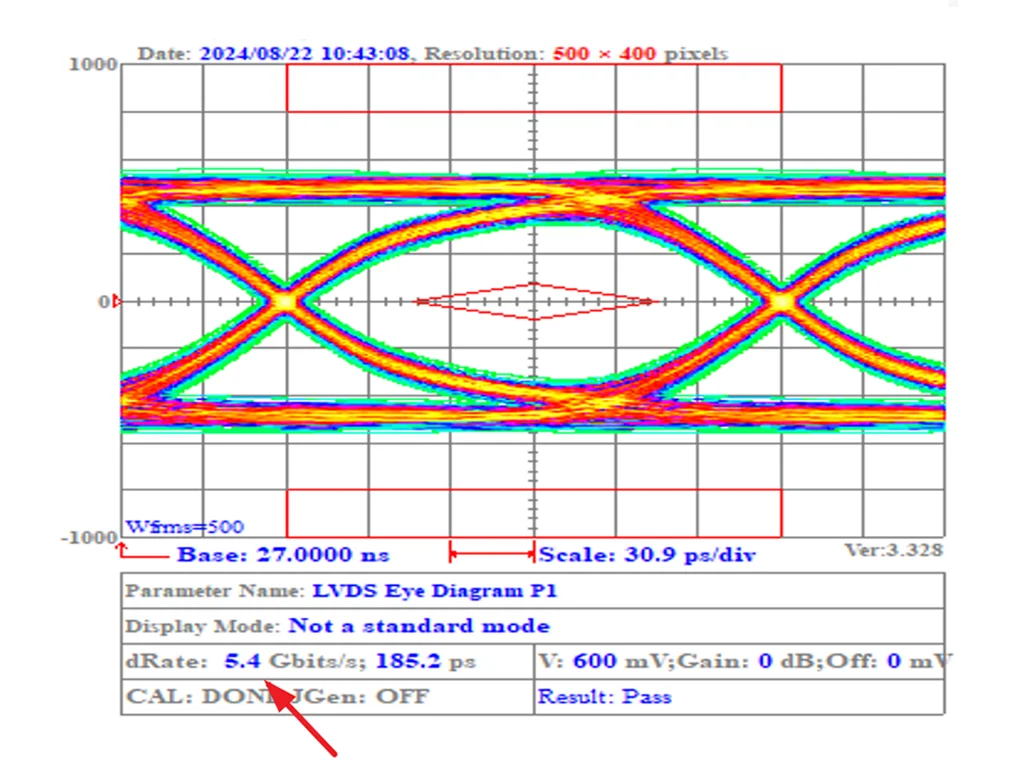
Analyzing Eye Diagrams for Signal Integrity
Validate real data transmission conditions through eye diagram testing under high-bandwidth scenarios. Ensure a wide and clean eye opening with no mask violation, providing sufficient noise margin to maintain stable, error-free signal transmission.
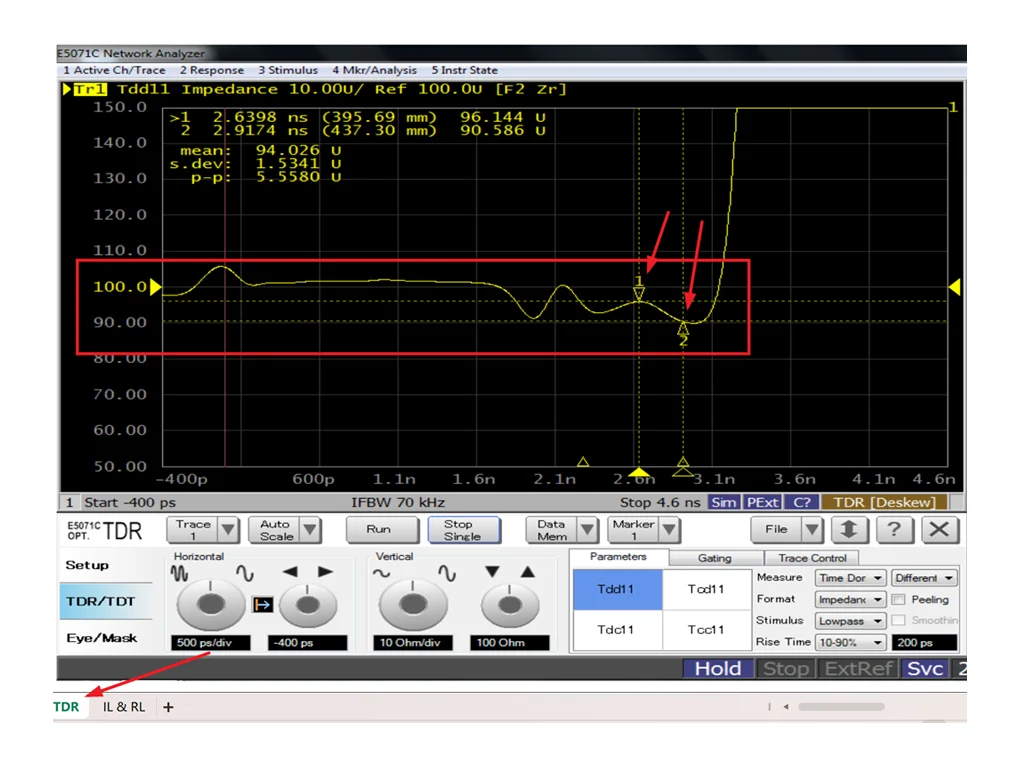
TDR Impedance Measurement
Control impedance across the entire transmission path within 100Ω ±10Ω using TDR verification. Eliminate reflection caused by impedance mismatch and ensure stable signal propagation in high-speed and precision electronic systems.
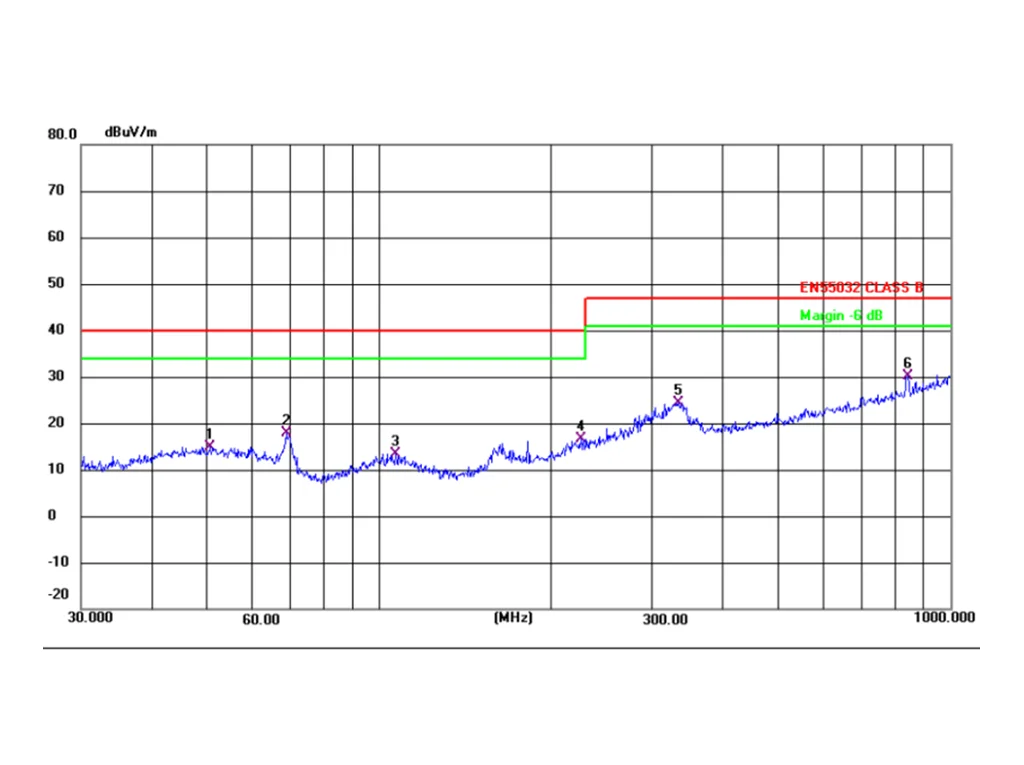
EMC Shielding Effectiveness Testing
Verify shielding effectiveness to maintain signal stability under strong electromagnetic interference. Ensure compliance with strict EMC requirements, enabling reliable operation in industrial and medical environments.
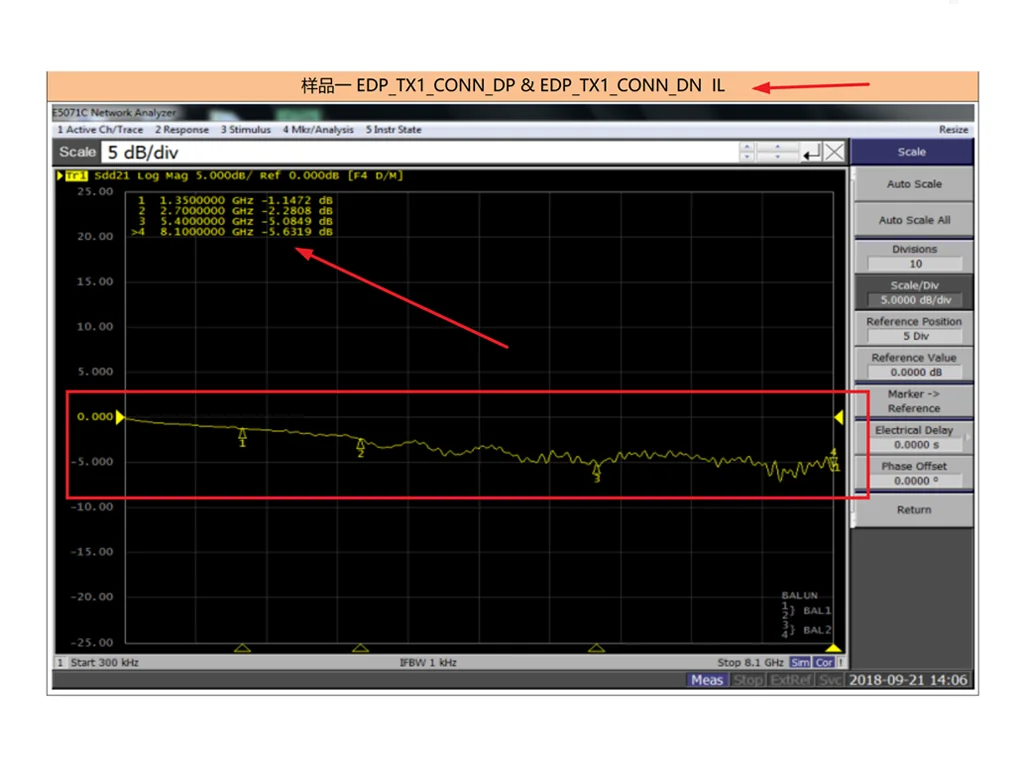
Transmission Stability & Skew Control
Align multi-channel signals by keeping intra-pair skew within 30–50 ps, ensuring synchronized arrival at the receiving end. Maintain a stable loss profile across high-speed transmission to eliminate timing deviation at the physical layer and prevent image distortion in vision systems.